
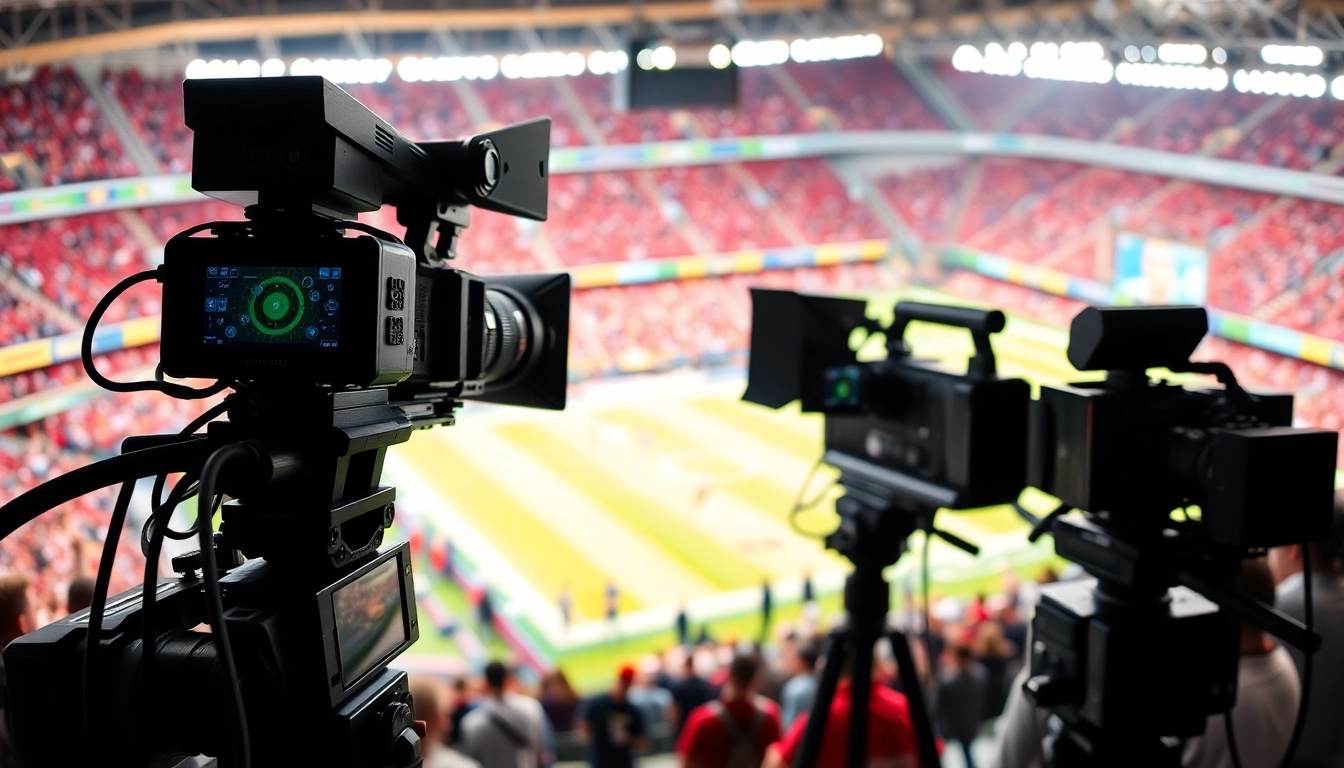
Understanding Sports Broadcasting
What is Sports Broadcasting?
Sports broadcasting encompasses the live or recorded coverage of sporting events, typically accomplished through television and audio formats. It plays a crucial role in connecting fans with their favorite teams and athletes, delivering play-by-play coverage, expert analyses, and post-game evaluations. The emergence of various media formats in recent years, especially through online streaming platforms, enhances the accessibility and excitement of watching sports. For those interested in discovering the evolving landscape of Sports Broadcasting, understanding its comprehensive definition is essential.
History and Evolution of Sports Broadcasting
The history of sports broadcasting traces back to the early 20th century, beginning with radio broadcasts of live games. This innovative step provided an auditory experience of sports for fans unable to attend games in person. With the advancement of technology, the introduction of television in the mid-20th century revolutionized how fans consumed sports. Iconic moments, such as the 1954 NFL Championship game, showcased the appeal of televised sports to a broader audience.
The evolution continued with the advent of cable television, which allowed for the proliferation of dedicated sports channels. The ’80s saw significant growth, with networks like ESPN entering the scene, offering round-the-clock sports coverage. The late 1990s and early 2000s introduced high-definition broadcasts and more comprehensive event coverage. Today, the rapid advancements in digital technology and mobile streaming continuously reshape sports broadcasting, making events more accessible globally than ever before.
Key Players in Sports Broadcasting
Various entities influence the sports broadcasting landscape, from traditional broadcasters to digital platforms. Major television networks, such as ESPN and NBC, have historically dominated the industry. They negotiate broadcasting rights with sports leagues, producing high-quality, engaging content tailored to audiences.
Streaming services have significantly altered the competitive dynamics, with platforms like Amazon Prime Video and DAZN emerging as substantial players. These platforms utilize modern technologies and data analytics to enhance viewer experiences, pushing traditional broadcasters to innovate and adapt to retain their audience. Additionally, social media platforms play a vital role in sports broadcasting promotion, serving as additional channels for reaching diverse demographics and engaging fans.
The Role of Technology in Sports Broadcasting
Innovations in Broadcasting Equipment
Technology has significantly impacted sports broadcasting, leading to innovations that enhance viewer experience. Advances in camera technology, such as ultra-high-definition cameras and drones, provide captivating aerial views of sporting events. New broadcasting devices ensure clearer audio, enabling fans to feel more immersed in the game atmosphere.
Moreover, graphics and visualization technologies have transformed how statistics and analysis are conveyed, employing techniques like augmented reality to visualize plays in real-time. The use of predictive analytics and machine learning enhances commentary with data-driven insights, allowing viewers to appreciate the intricacies of the game better.
Impact of Streaming Services on Sports Broadcasting
The rise of streaming services is one of the most significant changes in the sports broadcasting industry. These platforms offer live games on-demand, catering to viewers’ preferences for flexibility and personalization. Streaming services have also cultivated exclusive content deals and original sports programming, driving competition among traditional networks to evolve.
Moreover, the ability to watch games on various devices—smartphones, tablets, and smart TVs—has made sports more accessible than ever before. As high-speed internet connections become a norm, the cultural landscape shifts, with young viewers increasingly preferring streaming options over conventional cable packages.
Future Trends in Sports Broadcasting Technology
The future of sports broadcasting promises even more exciting advancements, driven by emerging technologies. Artificial intelligence will likely play a more significant role in content creation, analysis, and viewer engagement, allowing broadcasters to personalize experiences based on viewer preferences.
Virtual reality (VR) and augmented reality (AR) have the potential to revolutionize sports viewership by creating immersive environments. Fans could experience games from the player’s perspective or interact with virtual elements in real time. Furthermore, blockchain technology could enhance transparency in content rights management and monetization, fostering new business models for sports broadcasting.
Strategies for Successful Sports Broadcasting
Engaging Viewers with Interactive Content
To thrive in the competitive sports broadcasting landscape, engaging viewers with interactive content is essential. This includes leveraging technology to create interactive experiences such as live polls, quizzes, and augmented reality features that enhance viewer engagement during events.
Broadcasters can also nurture community feelings by integrating social media interactions, allowing fans to share opinions or predict outcomes in real-time. These strategies foster viewer loyalty and create value-added experiences that attract a wider audience.
Create a Strong Brand Identity
A strong brand identity is pivotal for any sports broadcasting entity. Creating an identity that resonates with target audiences involves clear messaging, visuals, and consistent communication. Emphasizing unique characteristics, such as expert commentary or in-depth game analyses, enhances differentiation from competitors.
Additionally, partnerships with athletes, teams, and sports organizations can broaden visibility and establish credibility, further strengthening brand presence within the industry.
Utilizing Social Media for Broader Reach
Social media serves as a powerful tool for sports broadcasters to reach broader and more diverse audiences. Engaging content tailored for platforms such as Twitter, Instagram, and TikTok allows broadcasters to cultivate relationships with fans, turning audiences into communities.
Broadcasts can leverage behind-the-scenes content, highlight reels, and real-time discussion threads to create an interactive environment that enhances viewer participation and enthusiasm for their programming.
Challenges in Sports Broadcasting
Legal and Regulatory Considerations
Sports broadcasting faces numerous legal and regulatory challenges, which can significantly impact operations. Broadcast rights, intellectual property issues, and compliance with regional regulations often require careful management and risk assessment.
Legal implications can impact partnerships with leagues and teams, necessitating clear contracts that define boundaries and responsibilities. Staying updated on evolving laws and lobbying for favorable regulations can help mitigate potential pitfalls in the industry.
Competition and Market Saturation
The growing number of broadcasters and streaming platforms often leads to market saturation, making it challenging for individual entities to capture and retain audience attention. Broadcasters must differentiate their offerings while providing compelling content to stand out amid fierce competition.
Innovative marketing strategies, niche programming, and exclusive partnerships with sports leagues can help attract dedicated audiences, creating sustainable viewership in a crowded marketplace.
Dealing with Viewer Engagement Issues
Viewer engagement is crucial for maintaining a loyal audience, yet various factors can hinder it. Reduced viewer interest due to lengthy broadcasts may lead to disengagement. To counter this, broadcasters can adopt strategies like shorter, more dynamic presentation formats, engaging commentary, and interactive elements to maintain viewer interest.
Additionally, soliciting audience feedback and promptly implementing improvements can further enhance the viewing experience, fostering a sense of connection with the audience.
Measuring Success in Sports Broadcasting
Key Performance Indicators (KPIs)
Measuring success in sports broadcasting relies on well-defined key performance indicators (KPIs). Popular KPIs include viewer numbers, engagement rates, social media metrics, revenue generation, and viewer retention rates. These metrics enable broadcasters to assess the true impact of their programming and refine strategies accordingly.
Additionally, tracking trends in viewer preferences can guide content creation, ensuring alignment with audience expectations and interests.
Analyzing Viewer Feedback
Feedback from viewers provides valuable insights into their preferences, concerns, and needs. Broadcasters can utilize surveys, social media analytics, and direct feedback mechanisms to gather data on audience attitudes and experiences.
Implementing a systematic approach to analyzing viewer feedback enables broadcasters to make informed decisions about content, presentation style, and engagement initiatives to enhance overall satisfaction and loyalty.
Adapting Strategies Based on Performance
In an ever-evolving landscape, adaptability is crucial. Regularly reviewing performance data allows sports broadcasters to identify trends and areas for improvement quickly. Being responsive to audience needs—whether through altering programming schedules or innovating content distribution methods—enhances relevance and fosters audience loyalty.
Moreover, cultivating a culture of continuous improvement ensures that broadcasters stay ahead of competition and maintain strong connections with their audiences.
FAQs
What is sports broadcasting?
Sports broadcasting refers to the distribution of live or recorded sporting events via television, radio, or streaming platforms, making them accessible to audiences.
How has technology influenced sports broadcasting?
Technology has introduced innovations such as high-definition cameras, drones, and augmented reality, significantly enhancing the viewing experience of sports events.
What are the main challenges in sports broadcasting?
Challenges include legal and regulatory issues, competition and market saturation, and maintaining viewer engagement amid shifting preferences and media consumption habits.
How do sports broadcasters measure success?
They measure success using key performance indicators (KPIs) like viewer numbers, engagement rates, revenue generation, and viewer retention to evaluate programming effectiveness.
What strategies can sports broadcasters use to engage viewers?
Effective strategies include offering interactive content, building a strong brand identity, and leveraging social media to create dynamic and engaging viewer experiences.