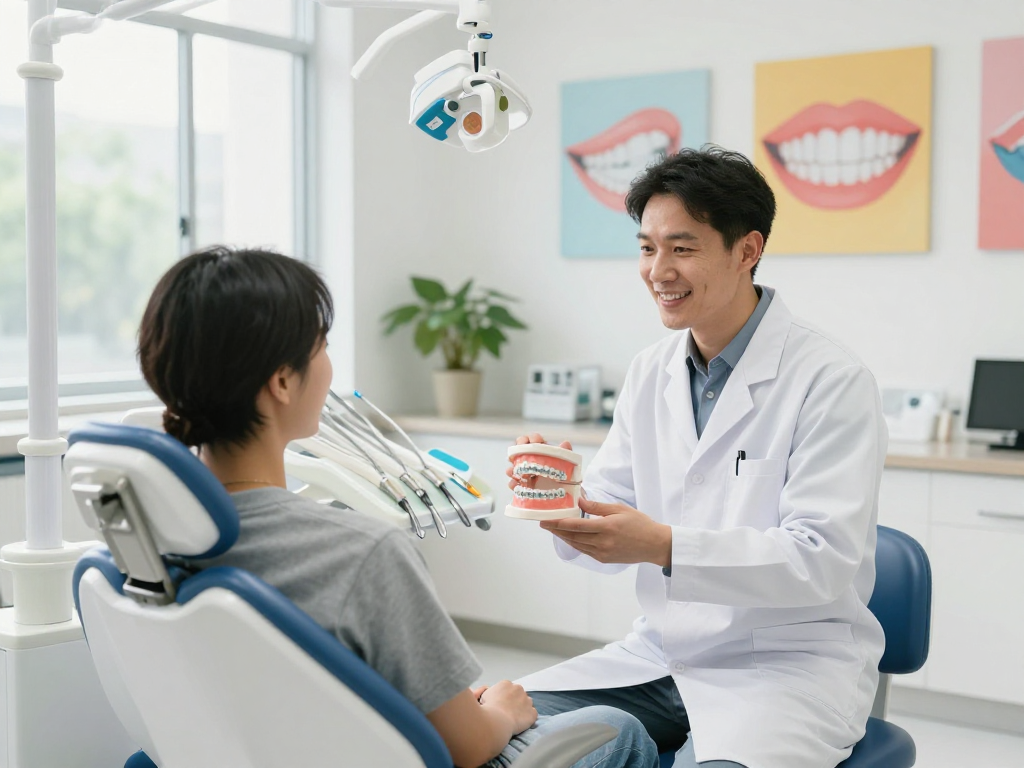
Understanding Kieferorthopädie: Importance and Basics
Kieferorthopädie, commonly referred to as orthodontics, plays a vital role in both dental health and aesthetics. This specialized branch of dentistry focuses on diagnosing, preventing, and correcting misaligned teeth and jaws. By leveraging various techniques and appliances, orthodontists can promote proper function and enhance the overall appearance of a patient's smile. Understanding the significance of orthodontic treatments is essential, not just for aesthetic reasons, but also for the broader implications on oral health and overall well-being. When exploring options, Kieferorthopädie provides comprehensive insights into the benefits and processes involved.
What is Kieferorthopädie?
Kieferorthopädie encompasses a wide range of treatments aimed at improving the alignment of teeth and jaws. Orthodontists utilize various tools, such as braces, aligners, and retainers, to correct issues related to overbites, underbites, crowding, and spacing between teeth. This branch of dentistry not only targets cosmetic concerns but also addresses functional problems, ensuring that patients can chew, speak, and maintain oral hygiene effectively.
Key Benefits of Orthodontic Treatment
The benefits of orthodontic treatment extend beyond mere aesthetics. Here are some key advantages:
- Improved Oral Health: Properly aligned teeth are easier to clean, reducing the risk of tooth decay and periodontal diseases.
- Enhanced Functionality: Correcting bite issues improves chewing efficiency and speech clarity.
- Increased Confidence: A straightened smile can significantly boost a patient's self-esteem.
- Long-Term Financial Savings: Investing in orthodontic treatment can prevent future dental issues that may require costly interventions.
Common Misconceptions About Kieferorthopädie
Despite the clear benefits, several misconceptions surround orthodontic treatment. Some believe that orthodontics is only for children and teenagers; however, adults can also benefit from treatment. Furthermore, many think that braces are the only option available, whereas there are various alternatives, including clear aligners. Education is key to dispelling these myths and enabling more individuals to pursue orthodontic care.
Legal Compliance and Data Protection in Kieferorthopädie
In the healthcare sector, especially in fields like Kieferorthopädie, data protection is paramount. Orthodontic practices handle sensitive patient information, necessitating strict adherence to regulations such as the General Data Protection Regulation (GDPR). These regulations establish standards for data processing, ensuring that patient rights are upheld consistently.
GDPR Regulations and Patient Rights
The GDPR is designed to protect individuals' privacy and personal data. Patients have specific rights regarding their data, including the rights to access, rectify, and erase their information. Orthodontic practices must implement procedures to accommodate these rights while ensuring transparency in how patient data is collected, processed, and stored.
Data Processing in Orthodontic Practices
Orthodontic practices typically engage in various data processing activities, including patient registration, treatment planning, and billing. Each of these steps requires careful handling of personal information. By maintaining accurate records and following data minimization principles, practices can ensure compliance with GDPR.
Ensuring Confidentiality of Patient Information
Confidentiality is vital in orthodontic care. Patients trust their orthodontists with sensitive information, and practices must establish robust security measures to prevent unauthorized access. This includes implementing technical solutions like encryption and secure access controls, alongside organizational measures like staff training on data handling protocols.
Digital Accessibility in Orthodontics
As digital transformation continues to shape healthcare, ensuring digital accessibility becomes a crucial aspect of orthodontic practice. The Barrierefreiheitsstärkungsgesetz (BFSG) sets forth guidelines designed to make digital platforms accessible to all users, including those with disabilities.
Understanding the Barrierefreiheitsstärkungsgesetz
The BFSG aims to enhance accessibility across digital platforms, requiring practices to comply with web accessibility standards, such as the WCAG 2.1 guidelines. Compliance with these regulations not only improves the user experience for patients with disabilities but also expands the patient base and fosters inclusivity.
Techniques for Implementing Digital Accessibility
Implementing digital accessibility involves a multi-faceted approach that includes:
- Conducting accessibility audits of websites and patient portals.
- Incorporating user-friendly design principles.
- Providing alternative text for images and ensuring compatibility with screen readers.
- Offering multiple communication formats, such as audio and visual aids.
Impact of Accessibility on Patient Experience
When orthodontic practices make their digital environments more accessible, they not only comply with legal standards but also enhance the patient experience. Improved accessibility can lead to higher patient satisfaction and loyalty, as patients feel valued and supported throughout their care journey.
Practical Measures for Enhanced Patient Care
To optimize patient care in orthodontic settings, practitioners should adopt best practices that streamline communication, treatment planning, and feedback mechanisms.
Best Practices for Patient Communication
Effective communication is crucial in orthodontic treatment. Clear instructions regarding treatment options, appointment scheduling, and aftercare can significantly impact treatment outcomes. Regular updates and reminders can enhance patient compliance and satisfaction.
Effective Treatment Planning and Follow-ups
Utilizing modern software solutions can facilitate detailed treatment planning and efficient follow-up processes. Digital tools enable orthodontists to visualize treatment progression, adjust care plans as needed, and keep patients informed every step of the way.
Implementing Feedback Systems for Improvement
Establishing a system for gathering patient feedback can provide valuable insights into the patient experience. This feedback can inform adjustments to treatment protocols, enhance service quality, and improve overall patient satisfaction.
Future Trends in Kieferorthopädie: What to Expect by 2026
The orthodontic field is evolving rapidly, with various emerging technologies and shifting patient expectations shaping the future landscape of Kieferorthopädie.
Emerging Technologies in Orthodontic Treatments
Technological advancements such as 3D printing, artificial intelligence, and advanced imaging techniques are set to revolutionize orthodontic practices. These innovations can lead to more accurate diagnostics, personalized treatment plans, and improved patient outcomes.
Shifts in Patient Expectations and Preferences
As patients become more informed, their expectations regarding orthodontic care are changing. They seek convenience, flexibility, and personalized experiences. Practices that can adapt to these demands by offering innovative solutions, such as teledentistry and flexible payment options, will likely thrive in the coming years.
Predictions for the Future of Kieferorthopädie
By 2026, we can expect to see a more patient-centric approach in orthodontics, with increased emphasis on preventative care and holistic treatment methodologies. The integration of digital solutions will further enhance patient engagement and streamline operational efficiencies.
How Does Kieferorthopädie Improve Overall Health?
Aligned teeth contribute to better oral hygiene, preventing decay and gum disease. Furthermore, correcting bite issues can alleviate stress on the jaw, reducing headaches and temporomandibular joint disorders (TMJ).
What Are the Common Types of Orthodontic Treatments?
Common orthodontic treatments include traditional metal braces, ceramic braces, lingual braces, and clear aligners like Invisalign. Each type has its pros and cons, depending on patient needs and preferences.
How to Choose the Right Orthodontist?
Choosing the right orthodontist involves researching qualifications, reading patient reviews, and scheduling consultations to discuss treatment options. It is important to find a provider who understands individual needs and offers a welcoming atmosphere.
What Innovations in Kieferorthopädie Should You Know?
Recent innovations in Kieferorthopädie include the use of digital scanning for impressions, custom treatment planning software, and accelerated orthodontic techniques that shorten treatment times.
How to Maintain Oral Health During Orthodontic Treatment?
Maintaining oral health during treatment requires diligent care. Regular brushing, flossing, and routine visits to the dentist for cleanings are vital. Patients should also be aware of dietary restrictions to prevent damage to orthodontic appliances.